
The Italian Engine Room
This isn't a wrapper around a web view. It's a native-first, multi-platform architecture designed for the specific rhythm of Italian indie development: fast iteration, visual polish, and zero hardware friction.
We built the stack on a simple premise: you should ship a prototype in the morning and a polished build by evening. No JVM warm-up lag. No heavy asset pipelines. Just a direct line from your logic to the silicon.
Get the Stack Overview
We respect your privacy. No spam, ever.
The Zero-Fluff Stack
Every component is chosen for shipping speed. If it adds latency or complexity without measurable value, it's cut.
Core Runtime
- Rust-based Logic Layer (Memory safe, high throughput)
- Skia Rendering (Vector graphics at 60fps on mid-tier devices)
- DirectX/Metal/Vulkan Abstraction
UI & Logic
- Immediate Mode GUI System
- State Management (Atomic, derived, signals)
- Built-in Asset Hot-Reload
Tooling
- CLI Commander (Build, deploy, profile)
- Visual Layout Editor (WYSIWYG, CSS-aware)
- Automated Texture Compression
Build Pipeline Output
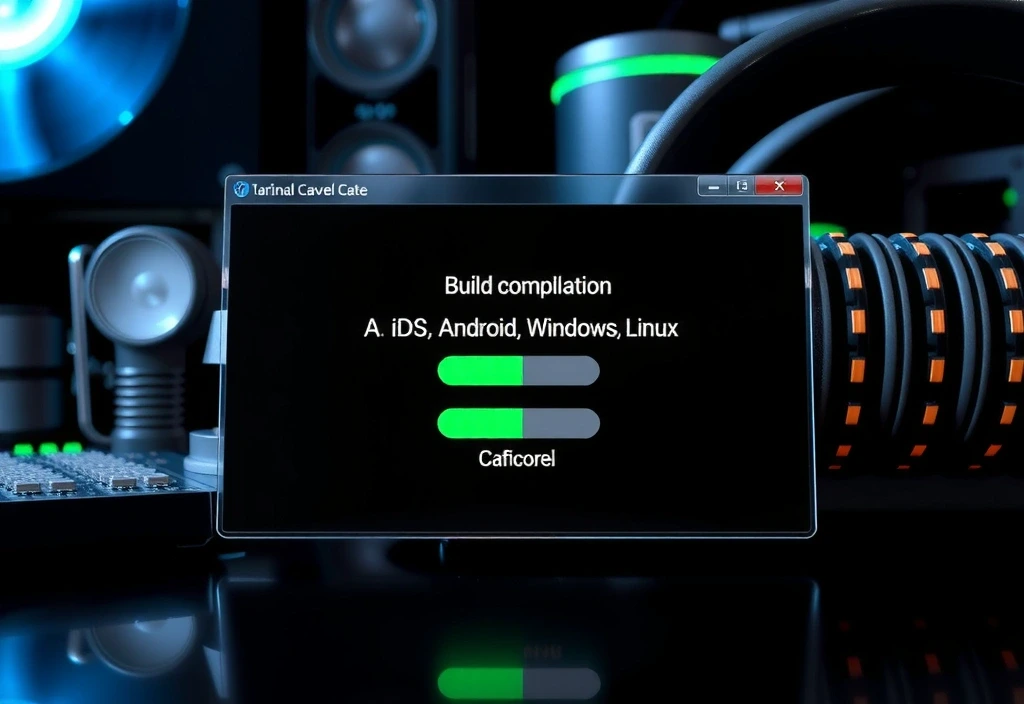
Simultaneous Targets. Write once. The compiler handles the platform-specific nuances.
Binary Size. A "Hello World" executable clocks in under 4MB. We strip everything that isn't essential to the frame loop.
Memory Safety. The Rust core ensures that memory leaks in game logic are a thing of the past. Focus on gameplay, not garbage collection.
Localization is First-Class, Not a Patch
Most frameworks treat localization as an afterthought—string keys and JSON files. We treat it as a structural pillar. The GamingFrameworkX runtime has native support for the complexities of Italian-English bilingualism baked into the core.
Pluralization Rules
Automatic handling of Italian plural forms (singular, plural, and the "plural of respect" for UI contexts).
Typography & Kerning
Dynamic font loading for Italian diacritics and extended Latin sets, ensuring 'è' looks sharp on every display.
Locale-Aware Formatting
Date, time, and currency formats shift automatically based on user locale (EUR vs USD, 24h vs 12h).
CODE: LOCALIZATION STRUCTURE
const translations = {
  "en-US": {
    "play_button": "Start Game",
    "inventory_count": "{count, plural, one {Item} other {Items}}"
  },
  "it-IT": {
    "play_button": "Inizia Partita",
    "inventory_count": "{count, plural, one {Oggetto} other {Oggetti}}"
  }
};
The Reality of Shipping
We map common indie dev frustrations directly to framework features.
The "Tech Debt Trap"
You prototype fast, but the codebase becomes unmaintainable once you add features. Refactoring kills momentum.
The "Localization Debt"
Hardcoded strings everywhere. Adding a second language requires a full codebase rewrite.
The "Asset Bloat"
Monetization and analytics SDKs add 50MB to your download before you even write a line of code.
FrameworkX Solution: Opinionated Architecture
We don't just provide libraries; we provide patterns. The framework enforces a strict separation of logic and presentation.
- • Component System ensures UI isolation.
- • Localization Hooks are compiler-checked. If a string isn't translated, the build fails.
- • Tree-Shaking is aggressive. You only ship the monetization code you actually use.
"We reduced our build size by 60% simply by switching to the FrameworkX analytics module. The Italian localization support saved us weeks of manual QA."
Stop Assembling. Start Building.
The tools are ready. The stack is optimized. The only thing missing is your game.